


- This event has passed.
Seminar about genetically encoded bioluminescence for imaging by Takeharu Nagai
November 13, 2025 @ 11:00 am - 12:30 pm CET
Bioluminescence imaging has become an indispensable technology in modern biological research, offering high sensitivity, a wide dynamic range, and the ability to visualize cellular processes in living systems with minimal phototoxicity and negligible excitation-induced background. Yet conventional approaches are fundamentally constrained by their reliance on exogenously supplied substrates such as luciferin. Because these substrates are gradually consumed and can distribute unevenly in tissues, signal intensities decay over time and spatial uniformity is compromised, complicating long-term, quantitative imaging—particularly in three-dimensional samples and extended time-lapse experiments.
To address these limitations, genetically encoded autonomous bioluminescence systems have emerged. Two natural paradigms, the bacterial lux system and the fungal luz system, comprise gene clusters that encode both the light-emitting proteins and the biosynthetic enzymes required to produce the luminescent substrate in situ. When the complete set of essential genes is introduced into host cells, tissues, or organisms, the engineered system becomes self-sustained: samples glow continuously without exogenous luciferin, enabling stable imaging over long durations with inherently low background.
In this seminar, I will introduce our recent achievement regarding successful development of multi-color variants of autoluminescent proteins as well as their application to subcellular localization tags, multiple gene reporters, and Ca²⁺ dynamics at the single-cell level.
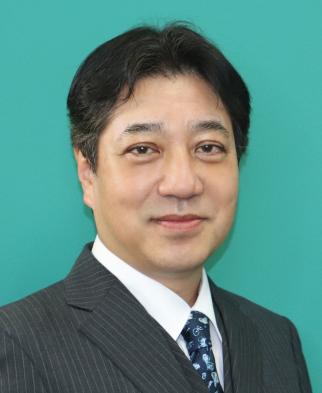
Takeharu Nagai received his Ph.D.from the University of Tokyo in 1998. After serving as a researcher in the JST PRESTO program, he became Professor at Hokkaido University in 2005 and, since 2012, has been Professor at SANKEN (The Institute of Scientific and Industrial Research), The University of Osaka. He was honored with the title of Distinguished Professor of the University in 2017 and currently directs the Division of Superdimensional Life Imaging at the Institute for Open and Transdisciplinary Research Initiatives.
His research focuses on the development of advanced fluorescent and bioluminescent protein technologies and their application to bioimaging, enabling visualization of dynamic cellular processes at unprecedented scales. He is also pioneering sustainable applications of bioluminescence, including the creation of self-luminous plants for electricity-free lighting.
Department Seminar November 13th at 11:00, at HCØ in C413: